top of page

Parent resource centre

Answers, Insights & Support for Growing Families

Explore answers to frequently asked questions, helpful parenting tips, and expert insights into your child’s health and development.

From preparing for your first visit to understanding our pediatric services, we’re here to help you feel informed and confident.

Frequently Asked Questions

What ages do you treat?

Snuggles n Kids provides pediatric healthcare services for newborns, infants, toddlers, school-age children and teens up to age 16. Our approach is tailored to each child’s developmental stage, individual needs and comfort level.

What services does Snuggles n Kids offer?

We offer pediatric massage therapy, physiotherapy, speech-language therapy, audiology, orthotics, and pediatric nutrition and dietitian services. Each service is provided by appropriately qualified healthcare professionals.

How is Snuggles n Kids different from Snuggles n Bubbles Baby Spa?

Snuggles n Bubbles Baby Spa focuses on pediatric massage and hydrotherapy for younger children. Snuggles n Kids builds on that experience by providing massage therapy and additional pediatric healthcare services for children and teens up to age 16. Hydrotherapy is not offered at Snuggles n Kids.

Can my child continue receiving treatment as they get older?

Absolutely. Our services are designed to grow with your child, from infancy through adolescence, with age-appropriate care through age 16.

How do I book an appointment?

You can request an appointment through our online booking system or contact our team for assistance. If you’re unsure which service to choose, we’re happy to help you find a suitable starting point.

Do I need a doctor’s referral?

Many services can be booked without a doctor’s referral. However, some insurance providers may require a referral for reimbursement, and certain assessments may have specific requirements. We recommend checking your insurance policy before booking.

Can parents stay with their child during treatment?

We encourage parent and caregiver involvement, particularly for younger children. Our healthcare professionals will discuss the most appropriate arrangement based on your child’s age, comfort, privacy and the type of appointment.

What if my child is nervous or doesn’t want to participate?

Our professionals take a gentle, child-centred approach, allowing time to build trust, explain treatment and respect your child’s comfort and willingness to participate.

How long are appointments?

Appointment lengths vary depending on the service and whether your child is attending an initial assessment or follow-up visit. The duration will be provided when booking.

Are your services covered by insurance?

Many of our services may be eligible for reimbursement through extended health benefit plans, including registered massage therapy, physiotherapy, speech-language pathology, audiology and dietitian services. Coverage depends on your insurer, plan and the professional providing treatment.

Do you offer direct billing to insurance companies?

Please contact our team to confirm direct billing availability for your specific service and insurance provider. Where direct billing is unavailable, we can provide the appropriate receipt for you to submit to your insurer.

Are orthotics covered by insurance?

Custom orthotics may be covered under certain extended health benefit plans. Insurers often have specific requirements regarding assessments, prescriptions and documentation. We recommend confirming these requirements before your appointment.

Is massage therapy safe for babies and children?

Pediatric massage therapy uses gentle, age-appropriate techniques tailored to a child’s health, development and comfort. Our Registered Massage Therapists assess each child’s individual needs and determine whether massage is appropriate before proceeding.

Can massage therapy help with growing pains or sports-related discomfort?

Massage therapy may help manage muscle tension, promote relaxation and support physical comfort. If your child experiences persistent, severe or unexplained pain, a medical assessment is important to identify the cause.

Does my child need to remove their clothing for massage?

Treatment is adapted to your child’s comfort and preferences. Our therapists explain the process, use appropriate draping where needed, and respect privacy and consent throughout the appointment.

Where is Snuggles n Kids located?

We are located at 9011 Leslie Street, Unit 100, Richmond Hill, Ontario.

Is your clinic wheelchair and stroller accessible?

Please contact our team to confirm the accessibility features and accommodations available for your family’s visit.

What should I bring to my child’s first appointment?

Please bring any relevant medical information, reports or referrals, your insurance details if applicable, and anything that helps your child feel comfortable. Specific preparation instructions may be provided when booking.

Is parking available at the clinic?

Yes. Free parking is available on site for families visiting Snuggles n Kids Health & Wellness.

How much do your services cost?

Our pricing varies depending on the type of service and appointment duration. We aim to provide accessible, high-quality pediatric care for families. For detailed pricing information, please visit our Services page or contact our team.

What is your cancellation or rescheduling policy?

We understand that plans can change, especially with children! We kindly ask families to provide at least 24 hours' notice when cancelling or rescheduling an appointment. Late cancellations or missed appointments may be subject to a cancellation fee.

Can I book appointments for multiple children?

Absolutely! We welcome siblings and families with multiple children. Each child requires their own appointment to ensure they receive individualized attention and care. Please contact our team if you need assistance coordinating appointments.

What insurance companies do you accept?

Many of our services may be covered under extended health insurance plans, including benefits for registered massage therapy, physiotherapy, speech-language pathology, and other eligible services. Coverage varies by provider and individual policy. We recommend checking with your insurance provider before booking to confirm your benefits.

What happens if my insurance doesn't cover the full appointment?

If your insurance plan covers only a portion of the appointment, the remaining balance is the responsibility of the parent or guardian. We recommend reviewing your coverage, including any annual limits or referral requirements, before your visit.

At what age can my child have a hearing test?

Hearing assessments can be performed from infancy through adolescence. The type of assessment depends on your child's age, developmental stage, and individual needs. If you have concerns about your child's hearing, speech development, or responsiveness to sounds, an audiologist can help determine the most appropriate assessment.

Can a pediatric dietitian help with picky eating?

Yes! Picky eating is common among children, but persistent feeding challenges can sometimes affect nutrition and family mealtimes. A pediatric dietitian can help families address selective eating, nutritional concerns, and age-appropriate dietary needs while developing practical strategies to encourage balanced eating habits.

Can I bring my other children to the appointment?

We understand that arranging childcare isn't always easy. Siblings are welcome to accompany you, provided they remain supervised by a parent or guardian. To ensure a comfortable and focused environment for all families, we encourage limiting additional visitors whenever possible.


We're here to help

Not Sure Where to Start?

Every child develops differently, and knowing which healthcare professional to see isn't always easy.

Whether you have questions about your child’s movement, communication, hearing, nutrition, or physical comfort, our team can help guide you toward an appropriate service.

Contact Our Team

Snuggles n Kids Blog

Educational articles from our team on common questions about growing children.

A therapist gently massaging a child's foot

Orthotics & Physiotherapy

Flat Feet in Children: What’s Normal and When Should Parents Be Concerned?

Flat feet are common in childhood. Learn what’s typical, the signs that may need attention, and how physiotherapy and orthotics can help.

Read article

Have you ever noticed that your child’s feet don’t seem to have an arch? Perhaps their feet turn inward when they walk, their shoes wear unevenly, or they complain about tired feet after playing. Flat feet are common in childhood, but when should parents seek support?

What Are Flat Feet?

Flat feet, also called pes planus, occur when the arch on the inside of the foot is low or appears to touch the ground while standing. Many babies and toddlers have flat feet because their arches are developing and fatty tissue cushions their soles. Some children retain flat feet into adulthood without problems. Having flat feet does not automatically mean treatment is needed.

Signs That May Need Attention

Foot, heel or ankle pain after activity; frequently tired or aching feet; limping; difficulty keeping up with peers; stiffness; or one foot looking markedly different from the other are reasons to seek advice. Persistent pain or changes in walking deserve assessment.

Do Children With Flat Feet Need Orthotics?

Not necessarily. Flexible, painless flat feet often need no treatment. When pain or functional difficulty is present, a clinician may suggest footwear changes, exercises, physiotherapy or orthotics depending on the child’s needs. Orthotics may improve comfort but do not necessarily create a permanent arch.

How Can Pediatric Physiotherapy Help?

A physiotherapist can assess walking, balance, strength, flexibility and movement. Depending on the findings, care may involve strengthening, stretching, balance activities and footwear or activity guidance. The goal is comfortable, confident movement, not making every child’s feet look the same.

Every Child Develops Differently

Some children develop visible arches early; others naturally retain flatter feet. Function and comfort matter more than appearance.

Supporting Growing Feet at Snuggles n Kids

Our pediatric physiotherapy and orthotics services help families understand their child’s movement and physical development. If you are concerned about foot pain or walking patterns, book a pediatric assessment to learn what support may be appropriate.

A young girl resting comfortably on a pillow during her visit

Audiology

Is Your Child Not Listening, or Could It Be Their Hearing?

Sometimes a child who seems not to listen is having trouble hearing clearly. Here are seven signs to watch for and what a hearing assessment involves.

Read article

“I called your name three times!” Sound familiar? Sometimes children seem to ignore us when they’re watching television, playing or getting ready for school. But occasionally a child who appears not to listen is actually having difficulty hearing clearly.

Hearing and Listening Are Not the Same Thing

Hearing means detecting sound; listening also involves attention and understanding. A child may hear some sounds but miss quiet speech or parts of a conversation in background noise. Others have normal hearing but difficulties with attention or language comprehension.

Seven Signs to Watch For

Frequently asking “What?” or asking for repetition. Turning up the television or tablet volume. Not responding when called, especially from another room. Missing parts of spoken instructions. Speech or language difficulties. Trouble understanding speech in noisy places. Changes in classroom participation or school performance. These signs do not prove hearing loss, but they may justify an assessment.

Can Ear Infections Affect Hearing?

Yes. Ear infections and fluid behind the eardrum can temporarily reduce hearing clarity, sometimes without significant pain. Recurrent infections or persistent fluid should be discussed with your child’s healthcare provider.

Why Hearing Matters for Speech and Learning

Hearing helps children learn speech sounds, understand directions, participate in conversations and engage at school. Identifying a concern can help families access appropriate support.

What Happens During a Pediatric Hearing Assessment?

An audiologist chooses tests suited to the child’s age and abilities. These may include listening games, headphones and tests of middle-ear function. The goal is to understand hearing ability and whether follow-up care is needed.

Pediatric Audiology at Snuggles n Kids

If your child often asks for repetition, struggles with verbal instructions or seems not to hear clearly, consider booking a pediatric hearing assessment.

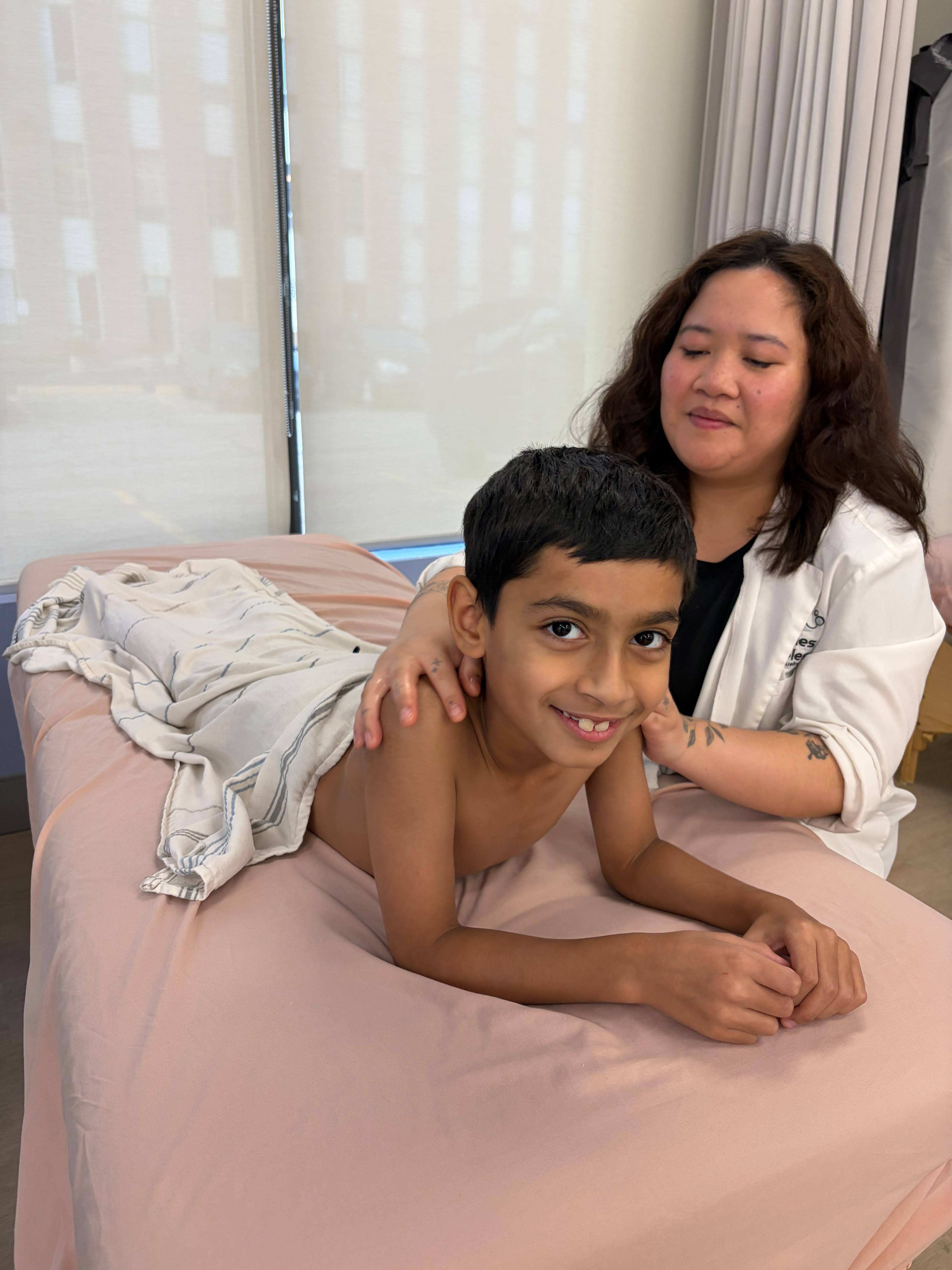
Child resting on a treatment bed with a therapist

Massage Therapy

Pediatric Massage Isn’t Just for Babies: Why Older Children and Teens Can Benefit Too

Growing bodies face changing demands. Learn how age-appropriate massage may support muscle comfort and relaxation for older children and teens.

Read article

When people think of pediatric massage, they often picture a baby relaxing in a parent’s arms. But children don’t outgrow the need for comfort, relaxation and physical care.

Growing Bodies Have Growing Needs

Children run, climb, carry backpacks, sit at desks and play sports. Some develop muscular tightness, soreness after activity or difficulty unwinding. Massage provided by a Registered Massage Therapist experienced with children may help address certain muscle discomfort and encourage relaxation.

Five Reasons Older Children May Benefit

Muscle comfort after activity: age-appropriate massage may ease some muscle tension after sports or play. It does not replace injury assessment or rehabilitation. Relaxation: a quiet, supportive session may help a child unwind, although massage is not a treatment for anxiety disorders. Everyday muscle tension from desk work, backpacks and devices. Comfort as bodies change: recurrent or unexplained pain should be medically assessed; not all leg pain is growing pains. Body awareness and boundaries: sessions can reinforce consent, communication and respect for personal comfort.

What About Teenagers?

Sports training, studying and busy schedules can contribute to fatigue and muscle tension. For some teens, massage can complement a broader approach to comfort and relaxation, with treatment tailored to their age, needs, privacy and preferences.

Is Pediatric Massage Different From Adult Massage?

Yes. Pressure, duration, positioning and communication should reflect a child’s size, age, development and comfort, with appropriate guardian involvement and consent procedures. A child should never feel pressured to receive massage.

Pediatric Massage at Snuggles n Kids

Whether your child is an active five-year-old, a school-age athlete or a teenager with muscle tension, our Registered Massage Therapists provide age-appropriate care tailored to individual needs.

A smiling toddler holding a toy beside a welcome sign

Speech & Language

Speech Therapy Is More Than Just Learning to Talk: How It Can Help Your Child

Communication is about more than words. Learn how speech-language therapy can support stuttering, social communication and confidence at any age.

Read article

When parents think about speech therapy, they often picture a young child struggling to say their first words. But speech therapy goes far beyond helping children learn to talk. Communication is about helping children express their thoughts, share their feelings, build relationships and feel understood.

Speech Therapy and Childhood Anxiety

Some children speak confidently at home but become unusually quiet at school or around unfamiliar adults. Speech-language pathologists can help assess communication difficulties and develop strategies to support a child’s ability to communicate in different environments. When anxiety is a significant factor, speech-language therapy may be part of a collaborative approach involving mental health professionals, families and educators.

Stuttering: When Getting the Words Out Feels Difficult

A child who stutters may repeat sounds, stretch out words or experience moments when speech feels blocked. Therapy can support effective communication strategies and a healthier relationship with speaking. Stuttering is not caused by nervousness or poor parenting.

When Your Child Struggles to Express Their Feelings

Some children have difficulty finding the words to explain what they’re thinking or feeling. When communication challenges are contributing to frustration, a speech-language assessment may help identify what support is needed.

Social Communication

Communication also involves understanding how conversations work and connecting with other people. The goal is not to change a child’s personality, but to help them develop practical communication tools.

Signs Your Child May Benefit From an Assessment

Frequent difficulty expressing thoughts or needs, stuttering or avoiding speaking, difficulty following instructions, struggling to join conversations, or communication difficulties that affect friendships or school participation.

Speech-language pathologists may support communication challenges associated with anxiety but do not independently treat anxiety disorders.

Close view of a child's feet during a gentle foot treatment

Massage Therapy

“Mommy, My Legs Hurt!” Why Do Children Experience Leg Pains?

A mother’s experience with growing pains, when to be concerned, and how gentle foot and leg massage may bring comfort to tired little legs.

Read article

As a mother of four children, including three boys, there’s one complaint I’ve heard more times than I can count: “Mommy, my legs hurt!” Is this normal? Is it because they’re constantly running, jumping and growing? And what can I do to help them feel better?

What Are Growing Pains?

Growing pains describe recurring aches in children’s legs. They often occur between the ages of 3 and 12, in the evening or before bedtime, after an active day, in both legs, and sometimes during the night. Despite the name, they aren’t necessarily caused by bones growing. Their exact cause isn’t fully understood.

Can Pediatric Foot and Leg Massage Help?

Gentle foot and leg massage from a Registered Massage Therapist may help encourage relaxation after busy days, ease everyday muscle tension, provide soothing comfort and support a calming bedtime routine. Massage may offer temporary comfort, but it is not a proven treatment for growing pains or an alternative to medical assessment.

When Should Parents Be Concerned?

Speak with your child’s healthcare provider if pain is persistent, worsening, limited to one leg, or accompanied by limping, swelling, redness, fever, weakness, or pain during the day or with activity. Children with unexplained symptoms should be medically assessed before receiving massage intended to address the discomfort.

A Little Comfort Can Go a Long Way

At Snuggles n Kids, we’re creating a space where children feel comfortable, parents feel heard, and pediatric wellness is approached with compassion and professional care.

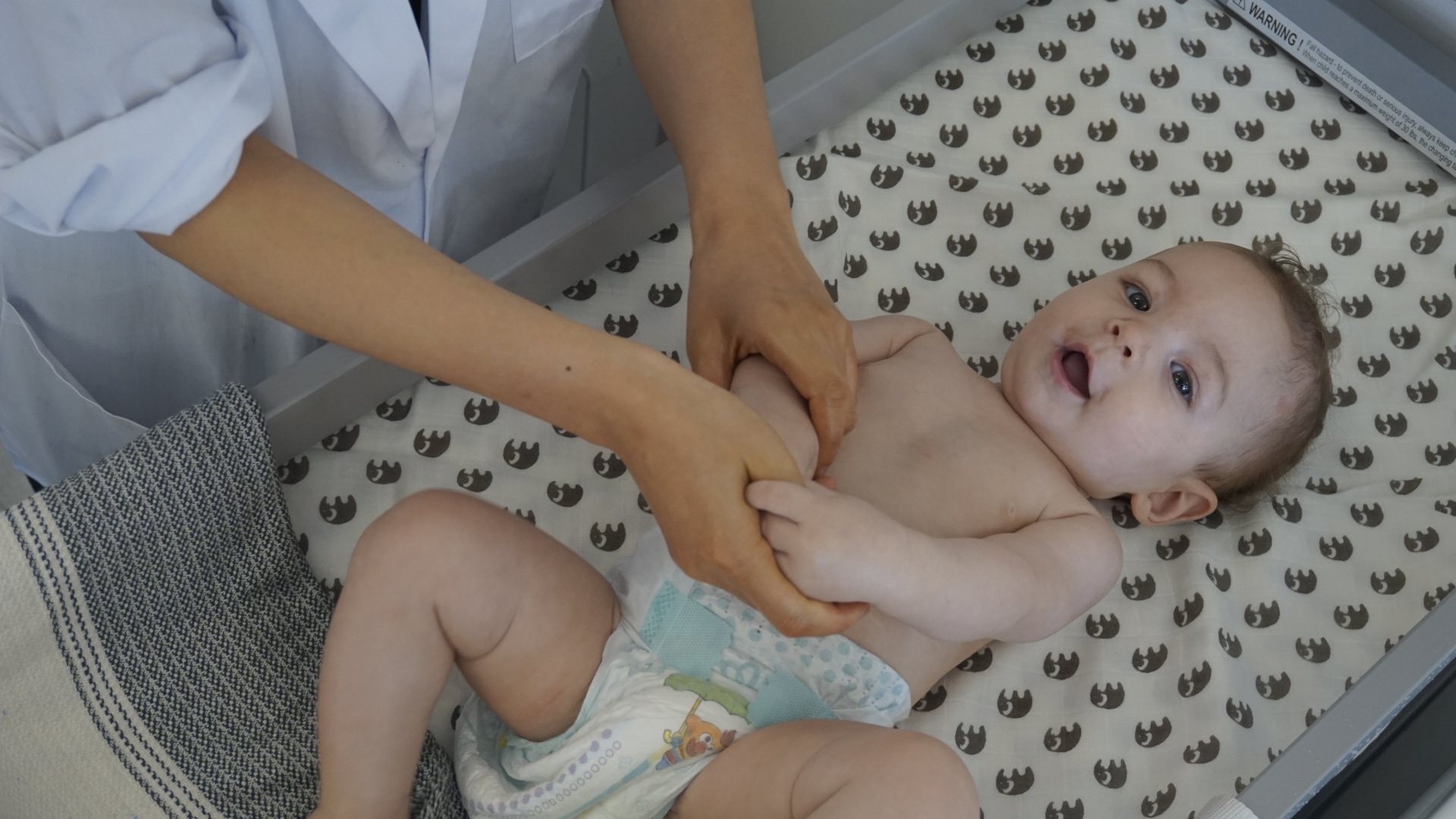
A therapist supporting an infant during a massage

Massage Therapy

The Gap in Pediatric Massage Therapy in the GTA, and Why It Matters

Children have muscles, joints and growing bodies too. Why pediatric massage therapy is hard to find in the GTA, and why families deserve more options.

Read article

When most people hear the words massage therapy, they think of adults. But children have muscles, joints, growing bodies and physical stresses too. Across the Greater Toronto Area, families can access a wide range of children’s healthcare services, yet pediatric massage therapy remains much less visible.

Children Are Not Just Small Adults

Every stage of childhood places different demands on the body. Treatment for a child should be adapted to their age, size, development, comfort level and individual needs. For younger children, sessions may be shorter, gentler and more interactive, with a parent or caregiver involved throughout.

Why Pediatric Massage Therapy Deserves More Attention

Depending on the individual child and the RMT’s assessment, massage therapy may address muscle tension, discomfort associated with physical activity, mobility, relaxation and general physical well-being. The important point is not that every child needs massage therapy, but that families should know it exists as an option.

Why Is It So Difficult to Find?

Most massage therapy clinics are designed primarily around adults. A pediatric-focused environment means age-appropriate communication, shorter treatment options, caregiver involvement and a space where children feel at ease.

Pediatric Care Should Be Collaborative

Pediatric massage therapy should never replace medical care, physiotherapy or other services a child may require. When appropriate and with parental consent, Registered Massage Therapists can be part of a broader circle of care.

Children’s wellness shouldn’t begin when they become adults. It should grow with them.

Articles are for general educational purposes and do not replace individual advice from your child’s healthcare provider.

bottom of page